It shouldn’t surprise me anymore, but it does. Americans (I’ll say we Americans because I do it too sometimes and no doubt you have also) like to brag on our intelligence and sense of right and wrong, and even sticking up for the proverbial little guy now and then. And then at some other now and thens we are reminded we are also the providers and consumers of the American justice system and its second cousin, the American legal system.
If the justice system is looking to right wrongs and support the little guy, the legal system is often looking out to maximize billable hours or its contingency in lieu of. You have certainly heard of the most recent legal tussles between the Kellogg accompany and strawberries lovers the world over, or at least the country over. Yes, Big Fooda is once again being called out for misleading labeling, calling their strawberry Pop-Tart toaster pasties strawberry when there is so little strawberry in them. The petition claims if the purchaser knew how little strawberry was actually contained in the pastry, she would not have made the purchase. Claiming she wanted more than just strawberry taste, she is seeking 5 million dollars in a class action lawsuit. (Hold that thought. We will get back to it shortly.)
This isn’t the first time Kellogg has been called out on its labeling practices. Its not even the first time this year. They are currently fending off accusations that their Frosted Mini Wheat cereal is more than “lightly sweetened.” This on the heels of a legal challenge than Kellogg-owned Morningstar Farms Veggie Hot Dogs, Veggie Burgers, Veggie Meatballs, and variety of Veggie [These and Those] contain an insignificant amount of vegetables and are thus misleadingly labeled. Kellogg is thus defending themselves against another 5 million dollar class action (keep holding) lawsuit.
Kellogg is not alone among Big Fooda in as targets of legal label interpretations. Post Foods found themselves the target of class action action, claiming there isn’t enough honey in their Honey Bunches of Oats and other products bearing the honey label to warrant being honey labeled products. Just this month the lawsuit claiming Subway Restaurants Inc.’s tuna sandwiches and wraps contained “anything but tuna” was dismissed. And in a rather unusual labeling lawsuit, McCormick and Company has just settled a class action challenge, offering $3 million to plaintiffs for adding the word “natural” to a variety of products. The argument was not that the so labeled products are not natural, but that the word was added only to justify a price increase as the demand for natural products increased.
Although you might be tempted (I certainly am) to blame the American legal system for class action suits, they go back to thirteenth century England. As the feudal system declined and capitalism grew, group litigation also declined until the mid-nineteenth century. While it was falling out of favor in England its use was simultaneously increasing in the United States. In 1942 the United States Supreme Court passed a Federal rule in civil proceedings allowing one person to file suit on behalf of a group of plaintiffs.
You would think this is a good thing when a group of people are injured or otherwise affected by the single, common action, allowing those wronged the opportunity to have their plights corrected, pains lessened, or be compensated regardless of how big and powerful the deed doer is. Indeed, many significant events in American history owe their existence to class action suits. Brown vs Board of Education (1954) establishing schools integration and foretelling the dismantling of “Jim Crow” laws and Jenson vs Eveleth Taconite Company (1984) defining unwanted sexual advances and intimidation as forms of abuse are two examples of class actions whose resulting decisions were felt and continue to be felt by more than the original group of plaintiffs represented by that single person.
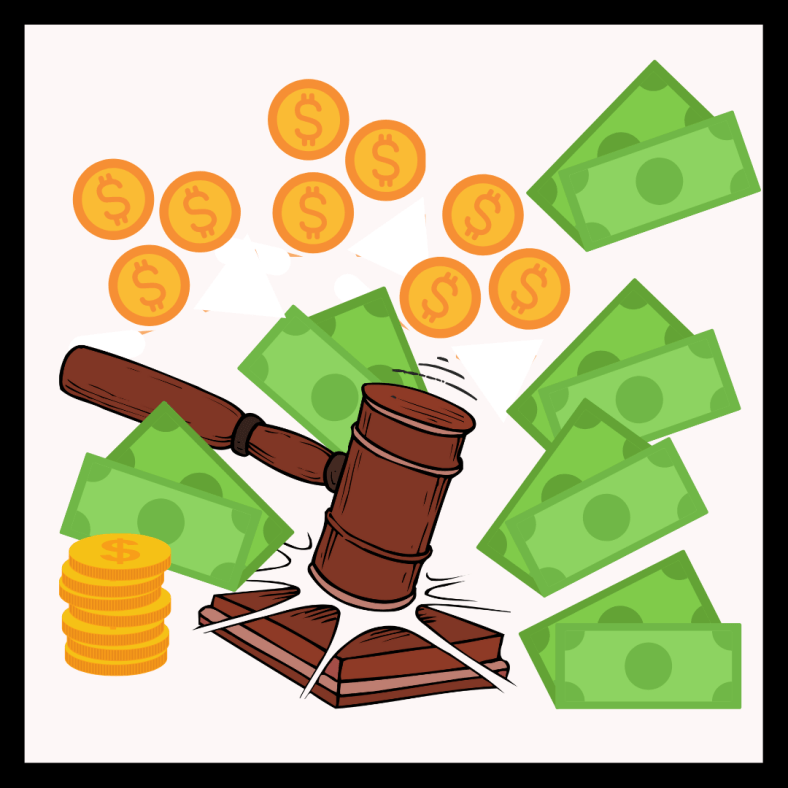
At the same time however, class action has become a fees mill for those specializing in group litigation. Consider the McCormick settlement. Three million dollars will be divided among all those filing claims up to $15 per claimant to reimburse for purchases made from January 2013 to September 2021- probably a more than fair settlement for something that caused no illness, injury, abuse, embarrassment, loss or life, liberty or the pursuit of well season foods. If the Pop-Tart suit is upheld, the class certified, and then won or goes to settlement, it is likely about the same results as the McCormick settlement will be seen. Clearly these are not financial windfalls for the plaintiffs nor are significant advances in food safety being instituted. But the whether there are significant life altering decisions as in Anderson vs Pacific Gas and Electric (which you might recognize as “The Erin Brockovich case”), or it’s just people getting particular about how much strawberry is in a Pop-Tart, the lawyers still get their percentage up to 40% – on the total settlement.
I wonder, if the legal fees were capped to 40% of each individual award, would those who specialize in “protecting” the little guy still want go all out to protect us from Big Fooda and their unscrupulous toaster pastries for about 7 bucks?
 The Real Reality Show Blog
I’m so tired of people taking advantage of whatever they can to get whatever they can because they can. What happened to responsibility and forgiveness and recognizing pettiness for what it is? There are those Erin Brokovich cases that need to be handled–but this other stuff is just a nuisance. Sorry. You always inspire my own personal rant.
Eight hundred years ago, that was exactly the intent, to prevent or remedy the types of situations Erin would have run across in 1300-and-something. Somehow we managed to screw up another good thing.
And an occasional rant is good for you – if you’re going to rant, better here than in front of the grands or other impressionable types.
So true, my friend. So true.