In the past I bemoaned the lack of government oversight for toilet paper roll sizing and the resultant consternation from attempting to determine which is the better deal, the 9 mega-rolls of 438 sheets per roll or the 12 double-rolls of 306 sheets per roll if your coupon covers the mega-roll multipak but not the megapak of double rolls, super soft but not super strong. (If you don’t recall that discussion it may be beneficial to review it here.) You would think the turmoil of the TPS (toilet paper shortage) we experienced at the beginning of the CoViD crisis (heretofore referred to as the CVTPS) would have solidified the need for regulatory intervention. Instead the situation has worsened. Regardez vous:

As they would say in France, sacred blue! Maybe not, what do I know, I haven’t used French since high school when things were neat, people keen, and we said “ah, gee,” a lot. The point is, those tubes are both from rolls of toilet paper, not from the same package, but of the same brand. Same iteration also, double-roll ultra soft, and purchashed from the same store. The difference? One, represented by the longer roll, was part of a 4 roll pack which is plenty for a single person with limited storage space. The other shorter roll is from an all that was available 24 roll pack more likely to go home with a family of 6, somebody looking to fill storage space in the unused corner of the garage, or a single person whose diet is chiefly canned chili and beer, probably home brew.
I wish I could tell you more but I had already discarded the wrapping from the “long roll,” “double roll” is no longer an adequate modifier, and only had both emptied rolls show up side by side because my daughter has a dog and I have a poor memory. I can see some of you are puzzled. Well, you take some small dog treats or bits of kibble, pour them into the tube, crimp or fold the ends, then let the dog puzzle how to get to the treats on his or her own. Yes, it is awkward construction but “they” is plural no matter what which style book says otherwise. Oh, the roll? No that’s not at all awkward. It’s quite fun for the dog and can keep it (the dog) (quite appropriate for animals even if somewhat cold) occupied for from seconds to hours (okay, almost always seconds). However, because the makeshift treat holder is destroyed in the game a constant supply of emptied rolls is necessary once the dog becomes hooked on the fun. As daughter and I each have a diet consisting of all the major food groups, neither of us are buried under a mountain of emptied cardboard tubes. Often I forget to pass along those I have saved and end up with 2 or 3 of them hanging out with my full rolls. There they undoubtedly regale those rolls of unused sheets yet to be wrestled from their plastic encased world of tales of adventures yet to come on their journeys from closet to holder to spinner to… but I digress.
Now armed with this new knowledge, shopping will be even more mentally laborious. No longer is simple arithmetic comparing sheets per roll to rolls per pack to price adequate to determine value in the paper products aisles of the mega marts of the world. Square footage (which I previously wondered why it was included on the package label) has to be considered if one expects to maximize our constantly weakening purchasing power. Now we must be armed with the ability to solve simultaneous equations, something I haven’t done since the advent of multifunction calculators. No longer is shopping math missing from the core curricula of American education. No, now we need … Shopping Calculus!

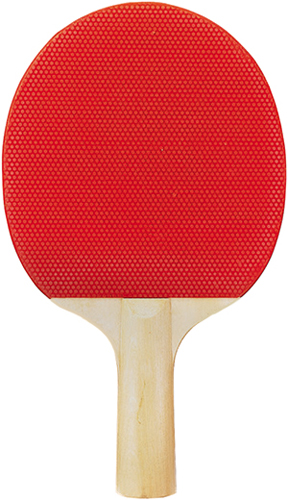 Did you know Pennsylvania is the second largest gambling center in the United States? Nevada by far brings in the most revenue garnering a little over 25% of the American dollars legally wagered, but Pennsylvania casinos saw over 3.25 billion dollars (Billion with a B) cross the felts or fed into machines. With the state’s casinos on lockdown card players and slots junkies can scratch their itches easily enough with online betting and in severe moments of needed relief, calling the family around the dining room table and issuing Monopoly Money for impromptu quality time AKA blackjack. But what is the sports betting public to do. The online casino sites include sports betting but there are no sports to bet on. Or are there? Enter Russian table tennis. The mobile sports app associated with one of the area casino’s sports book operation reported 56% of last weekend’s bets were on the Table Tennis Cup matches in Moscow. On the other side of the state the same app operating for another casino saw 79% of the wagers on the cup matches. I couldn’t find a total dollar amount bet on table tennis but an internet search returned multiple pages of strategies and handicapping for betting on this week’s games. And you thought it was something played in garages by teenagers who couldn’t get dates to the prom. (Why yes, that is where and when I learned the game. And your point is?) And life becomes normal, sort of, for the sports junkie gambler.
 I was at the grocery store yesterday. That’s one of the places we are allowed to go. Grocery store, pharmacy, medical appointments, and out for walks or exercise as long as we maintain the now normal social distance. That is unless you are an essential employee at an essential business in which case you can go out to get to and from there. Low and behold, there was toilet paper! Enough options that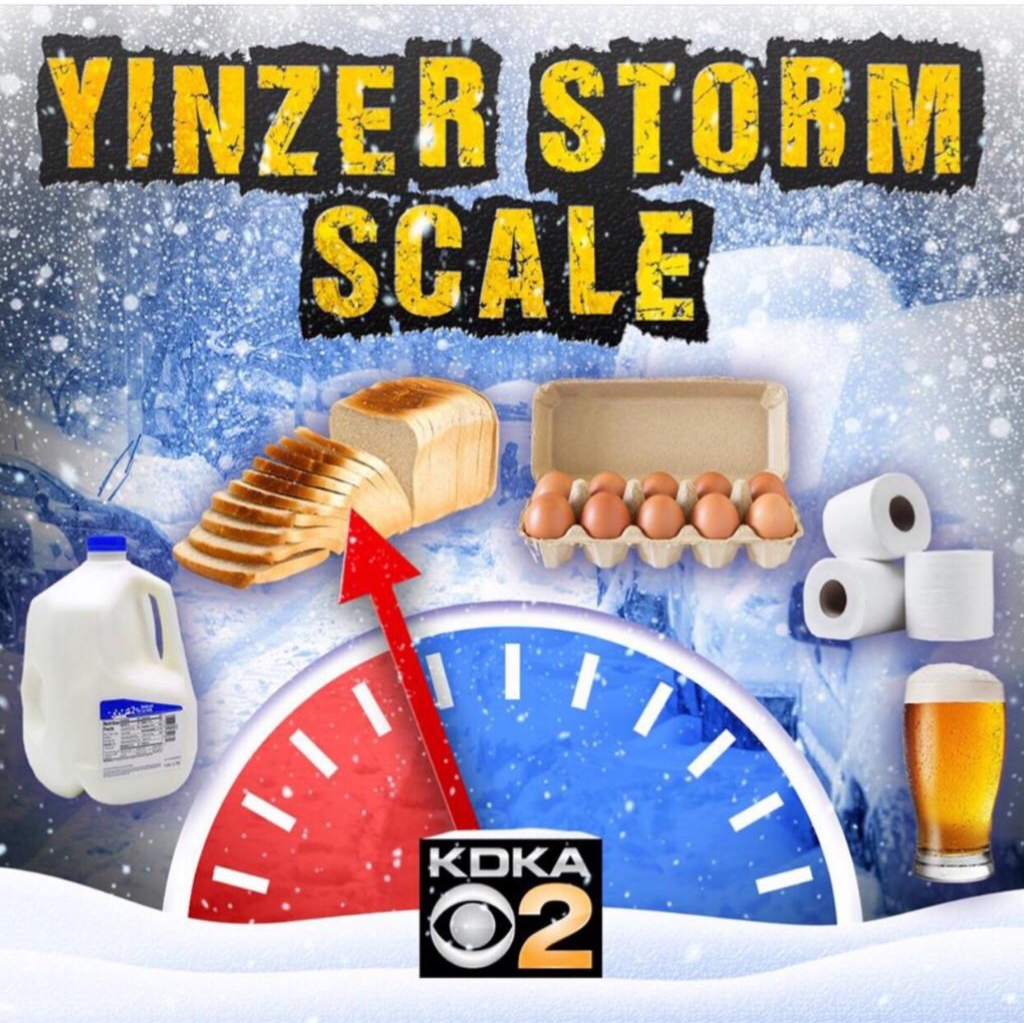
 The Real Reality Show Blog