The first of the 2018 Winter Olympic Games will be held today. And the opening ceremony for the 2018 Winter Olympic Games will be held tomorrow. Yes, I noticed that also.
Getting things twisted around like that is nothing new for the First Olympic Winter Games. You can go back to the first Winter Olympics in 1924 to confirm that.
 In 1924 athletes from sixteen nations gathered in Chamonix France from January 25 to February 5 to compete in 16 events. On January 26, 1924 (the day after the opening ceremonies), Charles Jewtraw, an American from Lake Placid New York, finished the 500 meter speed skating event in 44.0 seconds to win the first gold medal of the games.
The other events held at Chamonix including Four Man Men’s Bobsleigh, 18km and 50km Men’s Cross Country Skiing, Men’s Curling, Men’s and Women’s Individual and Mixed Pair’s Figure Skating, Men’s Ice Hockey, Men’s Military Patrol (a sort of 4 man team biathlon), Men’s Individual Nordic Combined, Men’s Individual Ski Jumping, and Men’s 1000m, 1500m, 5000m, and Combined Speed Skating. Two hundred, fifty eight athletes participated in these sports; forty-nine medals were awarded.
The last medal awarded went to another American athlete. Anders Haugen was awarded the bronze medal in Men’s Individual Ski Jumping. He was awarded the medal on September 12, 1974. He was originally scored in fourth place but was advanced to third when fifty years later an error was noted in the original results. It’s interesting to note Mr. Haugen is the only American to have ever won an Olympic medal in a ski jumping event.
The 1924 games were opened on January 25 by French National Olympic and Sports Committee member Gaston Vidal. The opening was accompanied by a parade of athletes, each country led by its flag bearer who took the official oath on behalf of his team.
We swear. We will take part in the Olympic Games in a spirit of chivalry, for the honour of our country and for the glory of sport.
French skier and member of France’s Men’s Military Patrol team Camille Mandrillon delivered the oath to the public on behalf of all athletes assembled there. The games began the following day and medals were awarded at the closing ceremony on February 5. In his remarks at the closing, International Olympic Committee president Pierre de Coubertin stated:
Winter sports have about them a certain purity, and that is why I was inclined to support and nurture them in this Olympic environment.
So where were things twisted around? The Chamonix games of 1924 was in 1924 officially “a week of international winter sport.” In May 1925 at their annual congress,the IOC retroactively designated the 1924 games as the “First Olympic Winter Games.”
What’s that saying? Right. Better late than never.
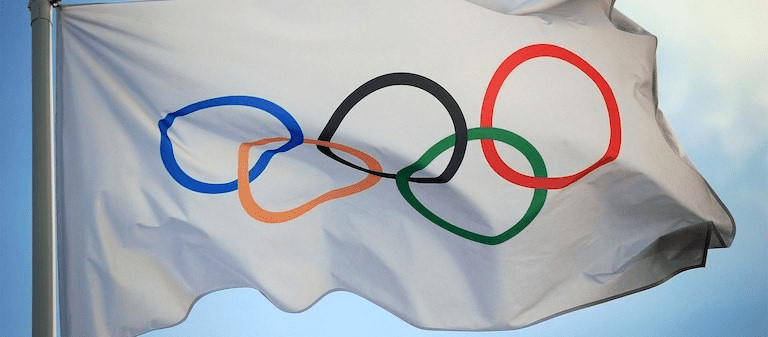
Photo: International Olympic Committee, Olympics.org
 The Real Reality Show Blog