I read an interesting article in the paper, as in newspaper, last week reporting on a survey conducted in May. It would have been nice to know this information sooner but I suppose there were more interesting events to report on between then and now. It was in a local paper so maybe it may the national news and I missed it but it seems to be the sort of thing that I would find if it was out there. Then I dug my way to the source and discovered the results were published just last month, so this might be the first I could have seen it.
It is a report of the News Literacy Project’s survey of teen’s interest in, sources of, and understanding of media, news not social. If you’d like to slog your way through all 101 pages, you can find it here. (Naturally I wondered if it got to that length naturally, or if it was padded or cut to make it work out to 101. But my brain works that way so naturally, I’d naturally wonder about that. Now I need my fellow old people to help me out with this, wasn’t there a cigarette that was 101mm in length and built an entire campaign on the silly little millimeter?) (Anyway…) If you don’t feel like slogging this early in the day, alloy me to summarize my slog of this report of a survey of 1,110 kiddies aged 13 to 18.
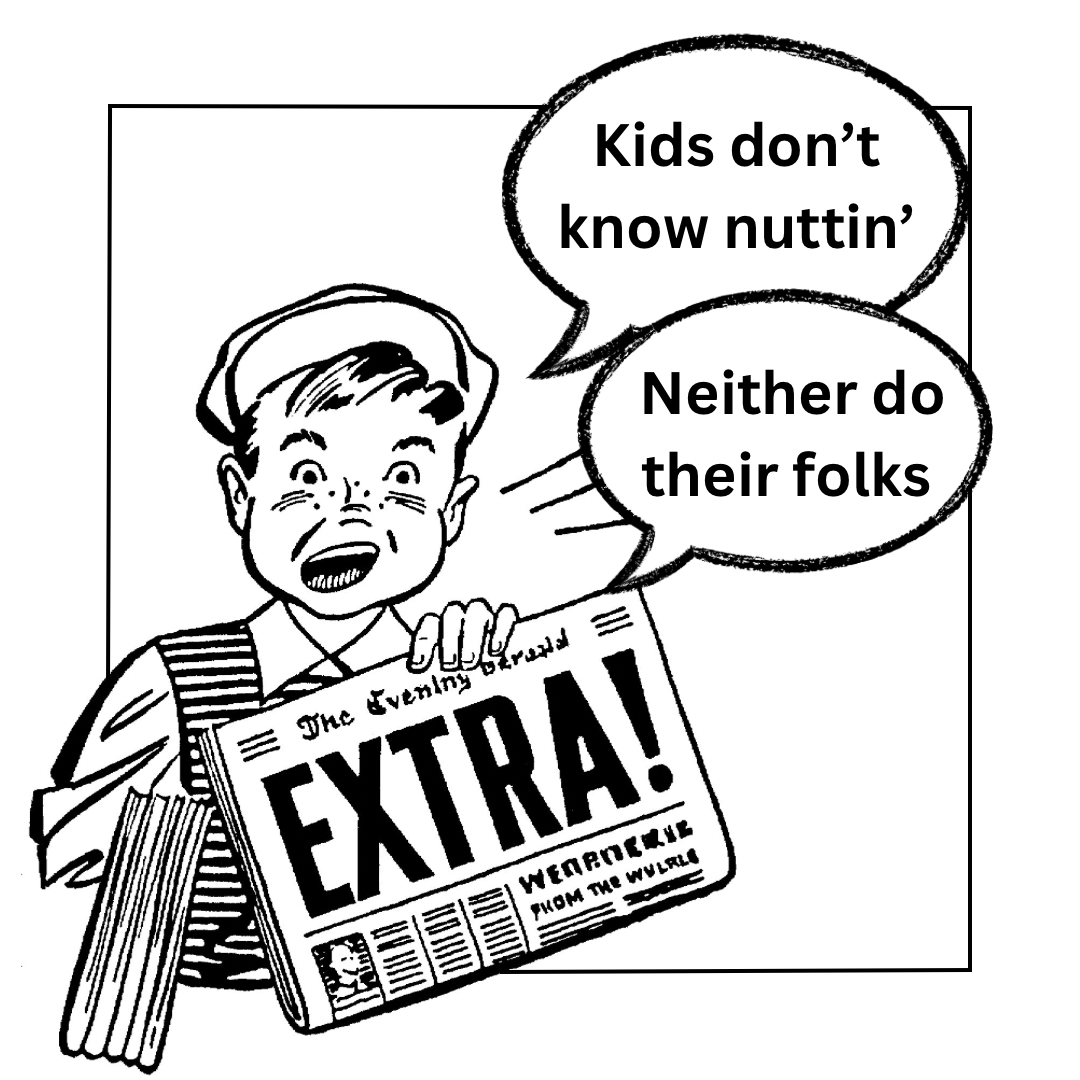
The conclusion: Kids don’t know crap but think they do.
More detail? Teens are exposed to misinformation (unintentional false information), disinformation (intentional false information), and conspiracy theories (whack job BS), in up to 1 or 5 of the post sources of “news” they consume. AND…81% believe the false information is true Their shared experiences added to their acceptance of the legitimacy of the source and the frequency and placement of the posts added to their reception validity and veracity of the information. (Those big words were mine, not theirs.)
In the above paragraph I added the quotes around news for two reasons. One, the type of information they are being presented, and the source of the information. Per the survey report, quoting a 2022 Reuters Institute study, teens distinguish between “news” and “the news.” It goes on to say, “The News” is narrow in scope and defines as mainly politics and current events. “News” is broadly anything that is happening in any walk of life including content presented by celebrities, podcast host, and social media influencers.
So that also explains the source of their “news.” Most teens get their “news” from social media, the specific site mentioned most was TicToc. When they consume news from “legitimate” news outlets, the most common sources mentioned were CNN and Fox News, the most biased of the major outlets. And that might explain why they are three times as likely to trust TikTok over their local newspaper, and nearly half of those surveyed said journalists do more harm to democracy than good and that news articles are no more trustworthy than other online content creators.
Now we get to the interested part of the report. These aren’t just young teens that may not have been exposed to much news (or to much of “the news”). The survey showed common results from all ages 13-18. Apparently, teens not only are not being exposed to much news but do not understand the purpose and process of news gathering and reporting.
Less than 40% of those surveyed had ever been presented with educational programs discussing news, the traditional news media, social media, and their differences and purposes. Of those who did, there was more willingness to accept legacy news sources as trustworthy and social media sources as entertainment.
Another interesting result of the survey is that of those who had not ever been presented with news-related educational programs, 94% said they would prefer such teaching and schools should be required to teach classes on media literacy.
What does that mean? To me it means these kids have some little inkling that what they are hearing may not be the truth, the whole truth, and nothing but the truth, and as most young’uns are, are willing to suck up any information we can get to them so they can figure it out.
As far as us oldsters are concerned. We’re probably too far gone to be taught how to tell if a “news” story about people eating the pets is real or not.

Time again to tell you about the latest Uplift blog post. It was a good one, maybe the best one yet. Certainly one of the best, featuring the exploits of Jingle, our favorite tri-pawed. He reminds us that the easiest way to a happy life is not found living in the present. It is found living in your present. Take a look.
But before you go look, have you still not thought about joining the ROAMcare community and have the weekly Uplift blog delivered to your email as soon as it hits the website? In addition to an Uplift release every Wednesday, you will also receive weekly a Monday Moment of Motivation, and our email exclusive Friday Flashback repost of one of our most loved publications. All free and available now at ROAMcare.org.


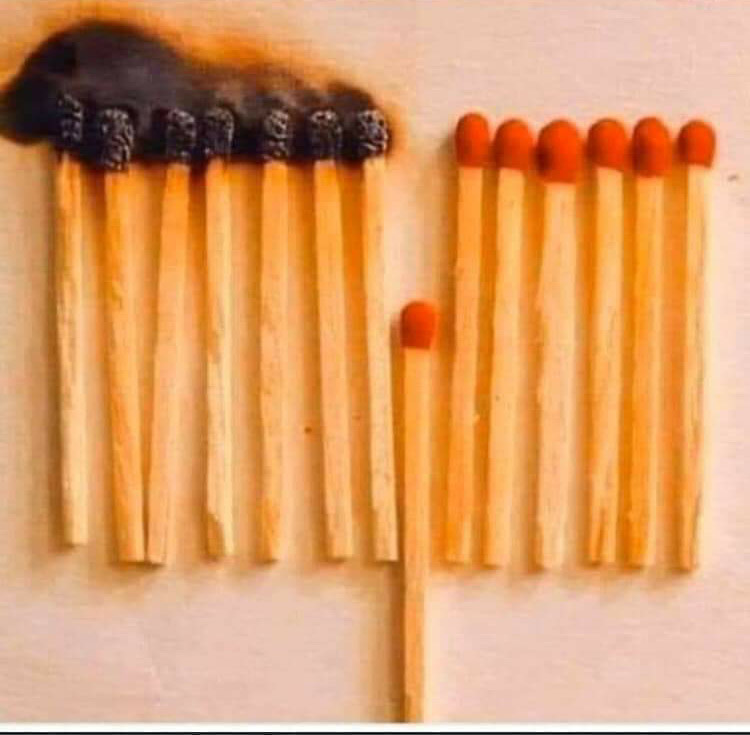
 We have a new season starting Saturday. Spring is supposed to be a season of rebirth, hope, and beauty. This would be a good time to start acting like reborn, hopeful, beautiful people and stop the unrelenting slide into the ugliness this country and this world have become. It will take action of your part. Positive action, not just a heart and praying hands icon on your Tweets and emails. I have said this here before, you cannot stop the hate if you are doing the hating. You must love. Make no mistake, the opposite of love is not hate. It is however the cure for hate. The opposite of love is apathy. If you are not actively loving then you are not truly loving, and if you are not loving you cannot oppose hate.
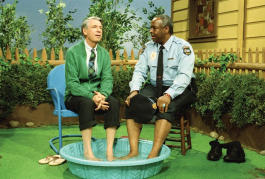 I don’t suppose that it is coincidence that Saturday is not only the first day of Spring but also Fred Rogers birthday. If I had to pick only one hero to model my life on it would be Mr. Rogers. For over thirty years Mr. Rogers was a friend to millions of young Americans, and with a diverse group of performers shared time, stories, music, and make believe. Unfortunately at the same time, thousands of young American bullies were already gearing up to throw water and hatred on the devotees of Fred Rogers gentle manner and universal friendship.
 You know I



 The Real Reality Show Blog