Paradise Squashed

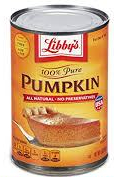
We are deep into the throes of PSL season although as previous rants of mine have shown, pumpkin flavoring goes far beyond latte, this year including potato chips. But I must admit, even though I detest almost everything else pumpkin, baked goods – pie, bread, rolls, cookies – made with real pumpkin is food heaven. But anybody who has made anything out of real pumpkin starting with that round, orange vegetable perched on the kitchen counter waiting to be dispatched by your biggest and strongest knife will tell you making those tasty tidbits is food hell! Thus the popularity of canned pumpkin. Well now, who else saw the breaking news earlier this week? Those cans touting 100% real pumpkin within typically contain 0% real pumpkin. Yes, canned pumpkin is not.

libbyssolidpackpumpkin

Americans should be used to foods not being what they seem to be. Euphemisms abound in the grocery store. Pigs become pork, cows are turned into beef, and I don’t even want to think about capon. The vegetable world makes soy beans tofu and wants to rename every chili when sold dried versus fresh. Maybe that’s where it all started, with those chili peppers we know weren’t called peppers until Chris Columbus and his crews landed in the Caribbean and called everything pepper.

The mysterious case of the missing pumpkin in canned pumpkin is kind of like Columbus and his peppers. It’s not simply a matter of masking the fact that those roosters were crowing soprano before they became a five star restaurant entree. It really is something else in that can but we’ve spent 200 years calling it pumpkin so there will be no stopping now.

The mystery substance is no mystery at all. According to Emma Crist of MyRecipes, that orange stuff “is made from a variety of winter squash (think butternut, Golden Delicious, Hubbard, and more). Libby’s, the brand that produces about 85% of the country’s canned “pumpkin” filling, has actually developed a certain variety of squash that they grow, package, and distribute to supermarkets” and because the FDA won’t quibble over what variety of squash is used “it’s perfectly legal to label a food product as ‘pumpkin’ when, in reality, it’s made from a different variety of squash.”
download

To clear that up, in a 1988 compliance guide the FDA states, “Since l938, we have consistently advised canners that we would not initiate regulatory action solely because of their using the designation “pumpkin” or “canned pumpkin” on labels for articles prepared from golden-fleshed, sweet squash, or mixtures of such squash with field pumpkins. The policy itself begins “In the labeling of articles prepared from golden-fleshed, sweet squash or mixtures of such squash and field pumpkin, we will consider the designation “pumpkin” to be in essential compliance with the “common or usual name” requirements.”

So there you have it. My only pumpkin refuge in a sea of pumpkin spiced latte is actually butternut squash pie. Oh well. Pass the whipped cream please. Umm, I mean the water, hydrogenated vegetable oil (including coconut and palm kernel oils), high fructose corn syrup, corn syrup, skim milk, light cream (less than 2%), sodium caseinate, and natural and artificial flavor.
 

A Word From Our Sponsor

Recently I saw something on line that said something like “All the drug ads on TV like for the first 10 seconds tell you its name and then like spend the rest of the time like daring you to take it.” Like I said it was on line. Like what did you expect? But, it raises a good point.  No, not that drug manufacturers are daring you to take their product. Why isn’t everything else advertised like that?

First a little background about prescription drug advertising on TV, in magazines, on-line, or anywhere else they are targeted “direct to consumers” — it shouldn’t happen. Back in the days when drug companies were run by people with pharmacy degrees and hospitals were run by people with medical degrees, marketing was pretty straight forward. Drug companies got approval from the FDA for a drug which included its official product information and that included what had to be mentioned in all marketing material. This included but was not limited to indications (what it is used for), contraindications (when it should not be used), warnings (what might happen if dosed and monitored inappropriately), and side effects (adverse or unexpected reactions that occurred in more than 0.1% (1 in every 1000) of the participants in post-approval/pre-marketing controlled drug studies). The material was typically presented in pages of information and a presentation lasted anywhere from 30 to 50 minutes. The target audience was doctors and pharmacists who spent years studying these things, understood the language, and often challenged the information as presented by the marketing team, also people with health care related degrees or experience.

Then about 20 years ago drug companies started hiring people with business degrees to run their business. They may have had a background in selling fast food french fries and thought there was no reason prescription drugs shouldn’t be sold the same way. This ignored the fact that they were now targeting an audience of people who could not legally walk into a store and buy their product without a prescription. The FDA, medical organizations and pharmacist organizations disagreed with direct to consumer advertising, not because they wanted to “control” the prescription drug market but because it was establishing a dangerous environment. But the Federal Trade Commission (FTC), made up of business people, said sure, why not, it will create competition and keep prices down. Recognizing that the FDA had regulations requiring what information had to be present in marketing material, the FTC thought those were good things people should know and that’s why there is now a demand for fast, low talkers to do the voice-over for prescription drug ads on TV.

AdNow, back to my premise, if it’s such a good idea why not make all advertising follow a similar structure. With that understanding, I now present the way consumer goods and services should be advertised. In the spirit of the FTC mandate I’ll just note the disclaimers. The creative teams can use the rest of the 15 second spots however they would like. Please note that some of the required language might mean the advertising budgets may require some expansion to reflect longer ad time buys and since we know that companies don’t spend money they cannot recover, there may be a corresponding increase in product pricing.

—–

Fast food french fries (with or without bacon)
Do not take if allergic to potatoes, oils used for frying which may change without warning, or pigs if using the bacon version. May cause high cholesterol including high good cholesterol and high bad cholesterol. Do not take if using blood thinners. People with high cholesterol, high blood pressure, uncontrolled diabetes, excess body fat, or uncomfortably tight clothing should consult the fry cook or counter person before consuming french fries. May cause bloating, nausea, headaches, or weight gain. Do not continue use if you notice ankle swelling, excess sweating, or shortness of breath after eating. If taking with bacon do consume if you are vegetarian, vegan, or kosher.

Light beer
Do not take if allergic to beer or any ingredient in beer. Do not take if also taking blood thinners, analgesics, antibiotics, sedatives, anti-depressants, narcotics, illegal drugs, or drugs used for diabetes or high blood pressure. May cause inebriation which can lead to embarrassing questions or answers, karaoke or karaoke style singing, chair dancing, and  loss of bladder control. May cause double vision, slurred speech, or drooling. Do not operate a car, heavy machinery, or juke boxes. Consult spouses, partners, or significant others if you cannot remember where you parked. I’d you do not remember where you parked and stumble upon your vehicle, do not drive. Tell yout server if you become nauseous. Quickly.

All-season radial tires
Do not use if allergic to tires. Requires proper inflation and periodic monitoring. Do not use if bald (the tire, not you), bulging around the middle (again the tire), or if taking beer, wine, or liquor (that’s you). Doing “donuts” in the parking lot will decrease usable wear.

Medical Marijuana
[You know it will only be a matter of time before it or “Recreational” varieties are directly marketed. Oh quick, what’s the difference between medical and recreational opiates. Uh huh.]
Do not use if allergic to marijuana. May cause you to impersonate medical personnel. Is not a cure all. Notify your dispensary of…well it really doesn’t matter because they aren’t medical people and won’t have any idea of what you are talking about anyway but notify first responders and emergency room personal that you take “medical” marijuana when they ask you about drug use.

Cauliflower rice
Do not use if allergic to cauliflower. May cause gastric bloating or flatulence. Do not take if using blood thinners. Although not intended as a weight loss product, cauliflower rice may cause a feeling of fullness decreasing any pleasure in eating. Not intended as a replacement for pizza crust.

Political Ads
What you are about to hear is a lie.

—–

If you agree this is a good idea please write to your congressman or senator. They can use a good laugh too.