
Just yesterday I was researching a topic for an article I am writing. I thought I had all the information I needed but I wanted to find something that I could reference that was not “scholarly” research. I turned to Google and typed in my query, then skipped the titles of the resulting pages and gave the descriptions a quick scan. I found a couple I thought would work. I clicked on one and then the other, and as the page painted on the screen, I realized I was looking at one of my own blog posts!
You would think I would remember a blog I wrote. In my defense it was from nearly three years ago, early in the kidney transplant series. Three years ago seems like a long time now. When we’re very young, preschool age, three years didn’t mean anything which makes sense because when you are only 4 or 5 years old, 3 years is most of our life. You don’t even think about time. There isn’t a reference to how long something is or lasts. You wake up, you eat, you play, you nap, you play again, you eat some more, you play one more time, you sleep. The only thing that varies from day to day is what Garanimal you are wearing.
As we get older, three years starts to have some meaning although it’s still fairly abstract. To an 8 year old, the 11 year old version is bigger, has a bigger bike, maybe has more homework, but the 8 year old isn’t particularly chomping at the bit to close that three year gap. Now the 13 year old starts putting some meaning into a three year stretch. At thirteen things are starting to happen, not necessarily overt but now there are times when you look back three years and say how easy it was then, back in the safety of elementary school when nobody really cared what color your bike was, while simultaneously looking ahead three years when you get to trade that bike in for a license and a car! But that also puts you into high school and all you can tell from your 13 year old perspective is those older kids are always angry about something.
By the time you get through those high school years, 3 years is an eternity. The 18 year old version of you can’t even remember being a gawky 15 year old at a first dance absolutely refusing to make eye contact with those people on the other side of the gym. Looking ahead, three years wouldn’t even get you through college if that was your path, and whether you’re university bound or directly entering work life, your reign as BMOC (I suppose today, BNGSOC) has come to an end and your new status is back to low man on the totem pole. (And if you can rework that phrase politically correctly, congratulations!)
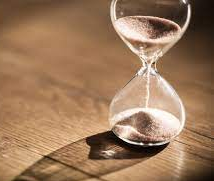 Rise you did though, the years went by, and in your mid to late 20’s three years is much like the adult version of the elementary school years. You see ahead a bigger version of you – a bigger job with a bigger car, bigger house, bigger family. They come with more home work (now two words). The difference now is that you are chomping at the bit to close that gap and get to “biggers” as quickly as you can.
Young adulthood goes by in a blink. The real adult phase you don’t even remember. Then suddenly, you turn middle age. Three years is a drop in the bucket. Plans you made that you were “definitely going to do next year” don’t get done for three, a three year old car is now new to you, three years is the life expectancy of the paint on the walls, the feeling that every day is the same stretches to every year is the same, and the only thing that varies from year to year is what size waist band you are wearing.
And then there is now. Three years, only three years, yet I couldn’t recognize my own words. What other things happened three years ago that now belong to somebody else’s memories. The last time I went into work, the last time I planned a vacation, the last time I danced with somebody. The last time I shared picnic blanket and bottle of wine under a sunny summer sky.
I suppose it is only a matter of a few more year, perhaps three, that the years won’t mean anything which makes sense because when you are of a certain age you don’t even think about time. There isn’t a reference to how much longer something might last. You wake up, you eat, you play, you nap, you play again, you eat some more, you sleep. The only thing that varies from day to day is the expression you are wearing and the feeling in your heart.
Continuing with my experiment on the WordPress/Anchor partnership, Don’t Believe Everything You Think is available on these platforms.



Please let me know what you think. So far I’m still mostly just recording the blog posts but eventually there will be more than that. We might even get into a discussion about how we all got into blogging.
This post will begin to be available on these platforms later today.
 If I had to make a list of the Top Ten People to Ever Walk the Face of the Earth, Pittsburgh native Fred Rogers would be high on that list. He lived for kindness and his type of kindness is returning to vogue, especially now that the generation that mocked him, his quiet, unassuming manner, and his gentleness to everybody, is now having grandkids and their favorite expression is “why can’t you be nicer?” Mr. Rogers didn’t love everybody regardless of race, color, creed, national origin, or gender identity. Mr. Roger loved everybody. Period. His mantra, “I like you just the way you are,” ended every one of his 912 shows. “You’ve made this day a special day, by just your being you. There’s no person in the whole world like you, and I like you, just the way you are.”
 Gene Kranz was the Flight Director for Apollo 11 and Apollo 13. Apollo 11 is known for its success, landing two men on the moon and meeting President John Kennedy’s 1962 challenge to reach the moon before the end of decade. Apollo 13 is known for its inflight disaster, potentially losing another full Apollo crew, when faulty wiring caused a spark and explosion that caused the spacecraft to lose its oxygen supply. Rather than a moon mission it became a survival mission, racing the clock to return the astronauts to earth before their oxygen ran out. Those who read the book or saw the movie know the Flight Control team took accountability for the disaster and used their knowledge and skill to bring the flight crew safely home.

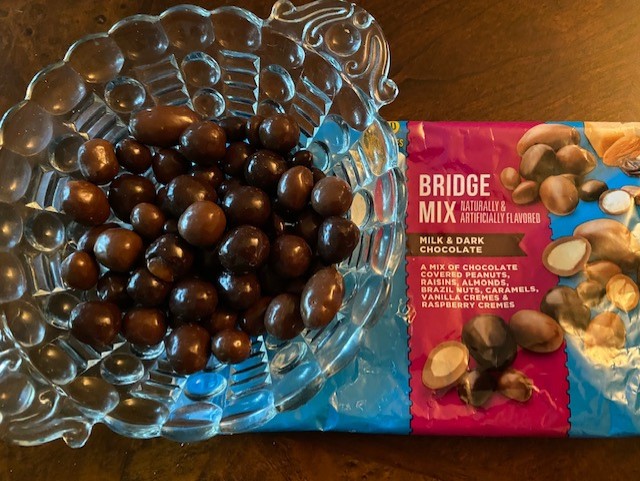 (Just out of curiosity, am I the only person left in the world who keeps a dish of bridge mix on the coffee table?) (Am I the only person who still keeps bridge mix?) (Am I breaking etiquette having bridge mix yet never having played bridge?) So I did my research, narrowed my choices, and what usually would have taken me 3 to 5 weeks of intense searching took me 3 days.


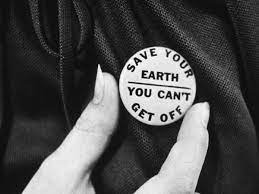 Many posters, PSAs, and other communications will remind us that we have only one earth, we should take care of it. And we are getting better. In 1970, the year of the first Earth Day, there were actually two Earth Days. The first was celebrated on March 21 suggested by newspaper publisher and environmentalist John McConnell to the United Nations Educational, Scientific and Cultural Organization (UNESCO). Mr. McConnell became involved with environmental activities when he began manufacturing plastic and realized how much plastic was being discarded. He presented his vision of a worldwide holiday “to celebrate Earth’s life and beauty and to alert earthlings to the need for preserving and renewing the threatened ecological balances upon which all life on Earth depends,” at the 1969 UNESCO conference in San Francisco. His vision saw the holiday celebrated on the Vernal Equinox (the first day of Spring) symbolic of an equilibrium between man and the planet. Earth Day was first celebrated on March 20, 1970 by proclamation of the city of San Francisco. The following year UN Secretary General U Thant issued a proclamation declaring Earth Day thence to be celebrated on the Vernal Equinox.
 Clean air, clean water, and clean land deserve to be celebrated but not just one day a year. A few miles from my front door there is a county park with a hiking trail labelled on maps as the Rachel Carson Trail. Rachel Carson probably is known best for her 1962 book Silent Spring which questioned the “better living through chemicals” attitude of the time and warned of the dangers from the misuse of chemical pesticides. Many cite her book as the stepping off point for the environmental movement. But Ms. Carson was not an angry activist. She was a noted marine biologist and wrote three earlier books on sea life and marine activity, winning the 1952 National Book Award for nonfiction for The Sea Around Us. In 1935 after graduating from Pennsylvania College for Women (now Chatham University) in 1929 and receiving a Master degree in zoology from Johns Hopkins University in 1932, Ms. Carson was hired as a junior aquatic biologist at the US Bureau of Fisheries (which would later be reorganized as part of the US Fish and Wildlife Service) to write radio programs on marine life. She stayed with service, advancing steadily until she resigned in 1951 to write full time. Despite undergoing multiple operations from 1950 to 1960 for breast cancer, Ms. Carson continue to write and lecture until her death in 1964.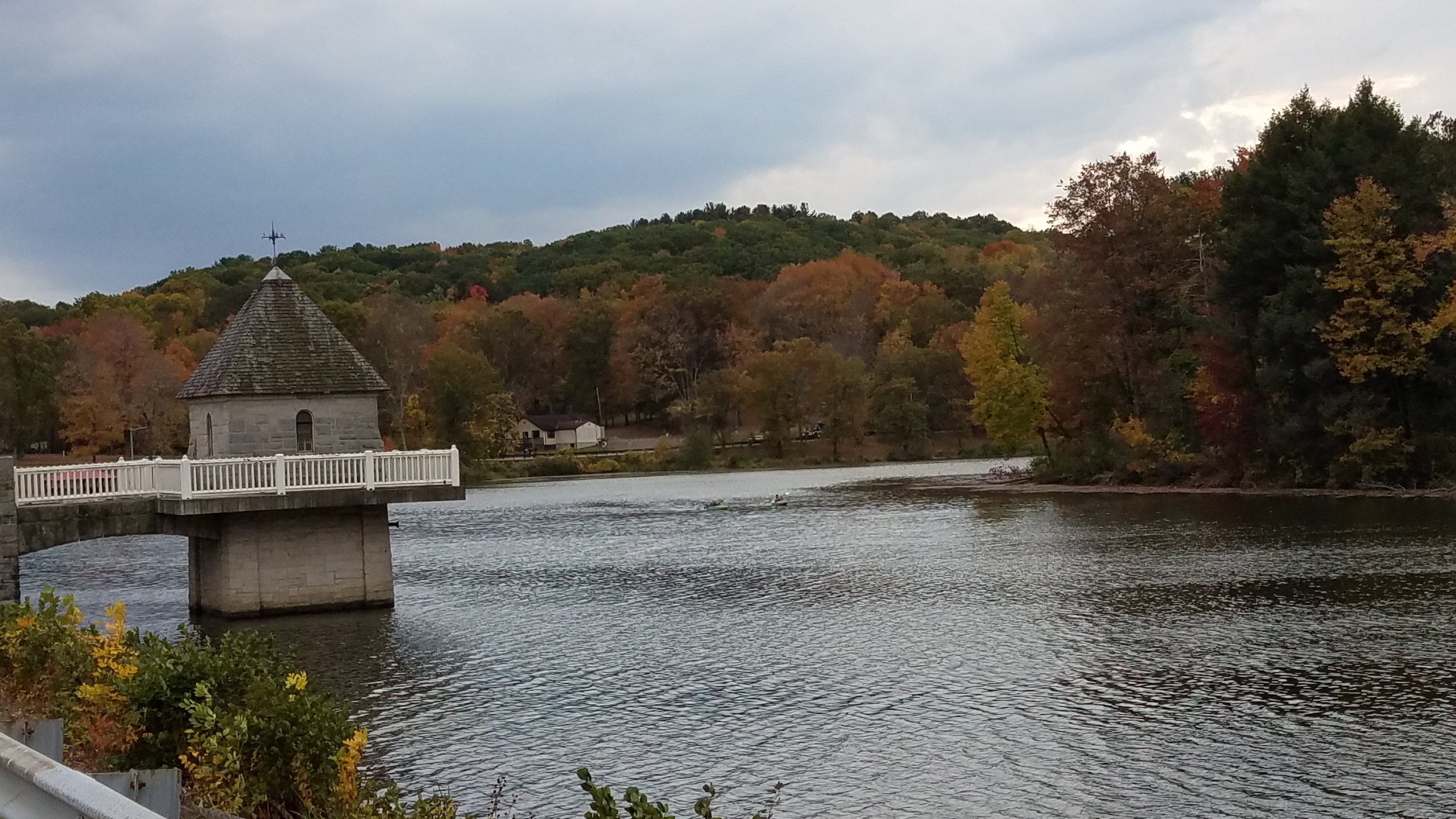
 If the numbers don’t get you – 107,000 waiting for transplant, a new person added every 9 minutes, 17 people dead each day because they did not get their transplant – how about this? April is half over. April is National Donate Life Month. There’s a Presidential proclamation and everything even. How many times did Donate Life Month headline a news report this month? How many people took to the streets to protest the needless loss of life of seventeen people yesterday, and the day before, and before that and before that and the one before that too? How many times did you even hear about Donate Life Month before today?
 The Real Reality Show Blog