I want to wish all my friends an early Happy Thanksgiving, here in the US, and across the world. Every nation has some time during the year sort of celebration of gratitude when we give thanks for what we have. Here we picked late November. I suppose it works out well as a practice for the big meal coming up next month. Anyway, here’s my take on the very first American Thanksgiving which we know wasn’t late November, didn’t include turkey and cranberry sauce, and probably didn’t have any sweet pies for dessert. Never one to let the facts stand in the way of a good story though, we soldier on as if it’s always been this way. There has always been a reason to give thanks. There was in 1621, and believe it or not, there is in 2020 too. Happy Thanksgiving, and enjoy!
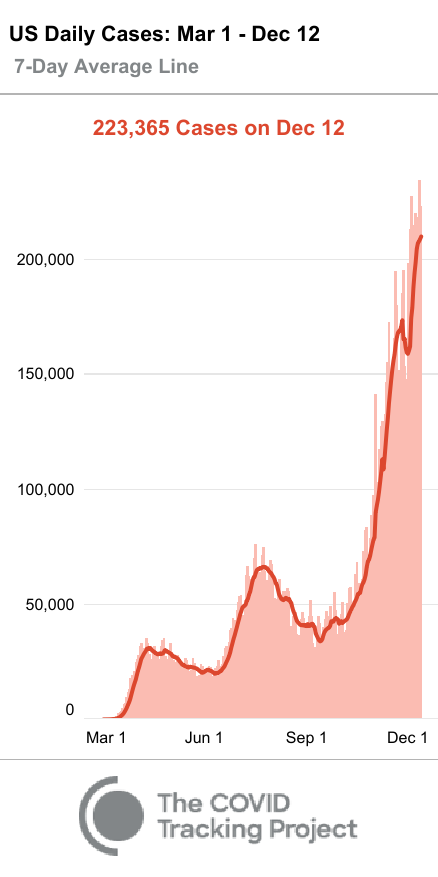
Across the United States people are preparing for Thanksgiving. Unlike previous years, this Thanksgiving appears on the surface to be fuller of doubt than gratitude. The CoViD-19 pandemic is raging causing major health issues and fueling uncertainty over the best way to mitigate its spread. Politicians are ranting, adding to divisiveness at a time when we should be celebrating, and mimicking the comradery it took to survive in the time of the earliest Thanksgivings. When past years’ preparations took place mostly in the country’s kitchens, this year’s preparations could be in the hands of tech support for video conferencing apps.
Thanksgiving 2020 will be markedly different from any other Thanksgiving in any of our lifetimes, but perhaps not too different from the Thanksgivings of the 1620s. Tradition holds the first “Thanksgiving” was held in 1621 in Plymouth Colony by the English colonists and the Wampanoag People in celebration of the colonists’ gratitude for surviving their first year there. Almost exactly 400 years ago, on November 19, 1620 the Mayflower neared Cape Cod. Two days later the Mayflower Compact, establishing the first self-governing colony in the New World was signed. That did not mean the Pilgrims were ready to build a statehouse and hold a Governor’s Ball. After over two months at sea, they had not yet landed, although land was in sight. Landfall at today’s Provincetown Harbor did not come until December 11 after having set sail from Plymouth England almost 3 full months earlier on September 16, 1620. Remarkably the little vessel made it across the Atlantic Ocean with all souls save one alive, just a lot of seasickness, scurvy, hunger and thirst. It wasn’t until they landed that things got really hard.
Over their first winter in the new colony, forty-five of the original 102 who set sail died, most from what is accepted now to have been leptospirosis, a zoonotic bacterial disease that for many exhibits only mild discomfort such as headache or muscle pain. Had they remained in the Old World they might not have fared better as the numbers of cases of tuberculosis and typhus were increasing in England and a reemergence of the black plague was working its way across northern Africa. Most of Europe was experiencing economic hardship and in some areas outright collapse as wars waged over exploration rights to New World in the west and supply line interruptions as the Ottoman Empire marched in the east. Though the colonists were far from the Old World and its problems, the New World presented its own.
The Mayflower colonists landed already at a disadvantage. They set foot on solid ground soon to be covered in snow. Their seafaring diet was heavily salt laden necessary for the food to last the three month voyage, weakening their muscles sorely needed to construct shelter before they succumbed to the elements. Most of the shelter erected in early winter was destroyed by fire and the colonists moved back onto the ship until spring. Those who survived the winter prepared land for plantings that was likely infested with the leptospira left behind in the urine of the local black rats, setting themselves up for a second wave of the deadly disease.
It wasn’t all bad news. In March of 1621 the colonists met the Wampanoag and signed a pact of coexistence about six weeks later. About that time the Fortune arrived with additional settlers and both ships returned with their crews to England, leaving the colonists (who the crewmembers were certain would starve) and their new treaty partners to survive alone. Survive they did and we continue today the tradition we are told began 399 years ago to give thanks for all we have.
Sometime between then and now, without know it, Charles Dickens may have summarized best why those early settlers would have been thankful and why today we should be even in such seemingly ungrateful times. “Reflect upon your present blessings, of which every man has plenty; not on your past misfortunes, of which all men have some.”
Like the earliest Thanksgiving revelers we are now also experiencing a possible second wave or more likely the resurgence of the wave that never left of a pandemic zoonotic infection, already weakened by a deadly first go-round with the disease. Just as in those times the distress extends beyond our corner of the world and we welcome reinforcement against the virus, today in the form of a vaccine. Also like those settlers had, there are strangers willing to help us now. They are the pharmaceutical chemists working on treatments and cures, epidemiologists developing the vaccines, and the anonymous volunteers participating in the vaccine trials. Closer to home there are others who are keeping radio and television stations and newspapers and other media outlets up and running to keep you informed. Closer still are the people stocking your supermarkets and pharmacies, staffing the police and fire stations, working the ambulances and emergency medical services, and working in hospitals and medical offices keeping you fed, safe and healthy, and there are the clergy, the priests, rabbis, ministers and other clerics maintaining all the houses of worship to serve your spiritual needs. And then there are you! The collective you, the strangers to somebody else, helping those you pass on the street or wait behind in line helping your neighbors. You are the helpful stranger mostly staying home unless you have to be out and then washing your hands, keeping your distance, and wearing your mask
When we reflect on our present blessings these strangers are certainly among them. Borrowing from another English writer, C. S. Lewis who told us, “Gratitude looks to the past and love to the present,” I speak for the masses when I say we are grateful for all you have done, and we love to see you are still helping today!
 So, what can we do about this? I’m staying calm but taking names. Oh sure, today I’ll write a couple letters to my so-called representatives in between checking in on friends and relatives to see how everyone is doing and that my “numbers” aren’t going up. But some day those so-called representatives who today are busy representative themselves will surely run for office again. That’s when the real letter writing campaign begins. That’s when I will start reminding everybody that when they should have been meeting in chambers, representing us working on health initiatives, equipment and vaccine allocations, or financial assistance packages, our so-called leaders were instead meeting in courtrooms and TV studios representing themselves and working on undermining the security and confidence of the country – all in the name of “did so, did not, did too, make me.”
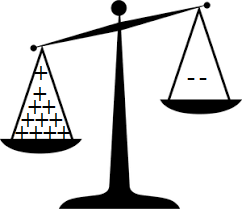 That was then, now is now. What good came out of 2020 for you other than being born 5 centuries later than your counterpart from 1520? Perhaps it was a new friendship you started with someone who was once “just a neighbor” when you found yourself spending more time on your front porch rather than at work and began trading tales of things you’d rather be doing. Perhaps it was a newfound hobby born of necessity like baking or of boredom like painting. These are the positives of 2020 that can become the resolutions for a better 2021. Talk to my neighbors more than a grunted “uh” is passing. Learn a new bread recipe and bake a loaf each month even if I can find plenty of bread on the store’s shelf. Read a book that has nothing to do with work, school, or that on-line book club I got roped into last April. Play a game of Clue without wishing I had the candlestick in the dining room RIGHT NOW! Buy a spin bike and work out at home with all the money I saved not paying for the gym membership I never used or even wanted to use until I couldn’t.

 The Real Reality Show Blog